By Ivan Lukanda, Ph.D
Senior Lecturer, Makerere University
For decades, the narrative of development in Uganda, as in many nations in the Global South, has often been one of well-intentioned but disjointed efforts. Donor projects have been rising and falling. Humanitarian aid has been addressing only acute crises, leaving local governments to navigate a complex web of short-term funding and fluctuating parallel systems. The result, too often, has been a patchwork of progress where sustainable, equitable service delivery remains just out of reach for the most underserved communities. Many such communities have remained poor.
The Uganda Intergovernmental Fiscal Transfers Programme (UgIFT) represents a shift away from this model. It is not merely another project. Representing a true paradigm shift, this approach combines the provision of basic services (education, health, agriculture, water, and environmental protection) with the goal of refugee integration in host communities. Funded by the World Bank, the International Development Association’s Regional Sub-Window for Refugees and Host Communities, and other partners, but fundamentally government-led, UgIFT is embedding equity, sustainability, and local ownership into the very fabric of Uganda’s public financial management. It is moving us from a culture of temporary aid to a system of permanent, effective governance.
At its core, UgIFT attempts to correct historical imbalances. For long, the quality of a Ugandan’s education, healthcare, or access to clean water has been a geographic lottery. UgIFT uses data-driven fiscal transfers to ensure that every district, especially those that are remote, underserved, or hosting large refugee populations, receives a fair share. These initiatives are driven by the principles of justice and smart investment in our country’s human capital.
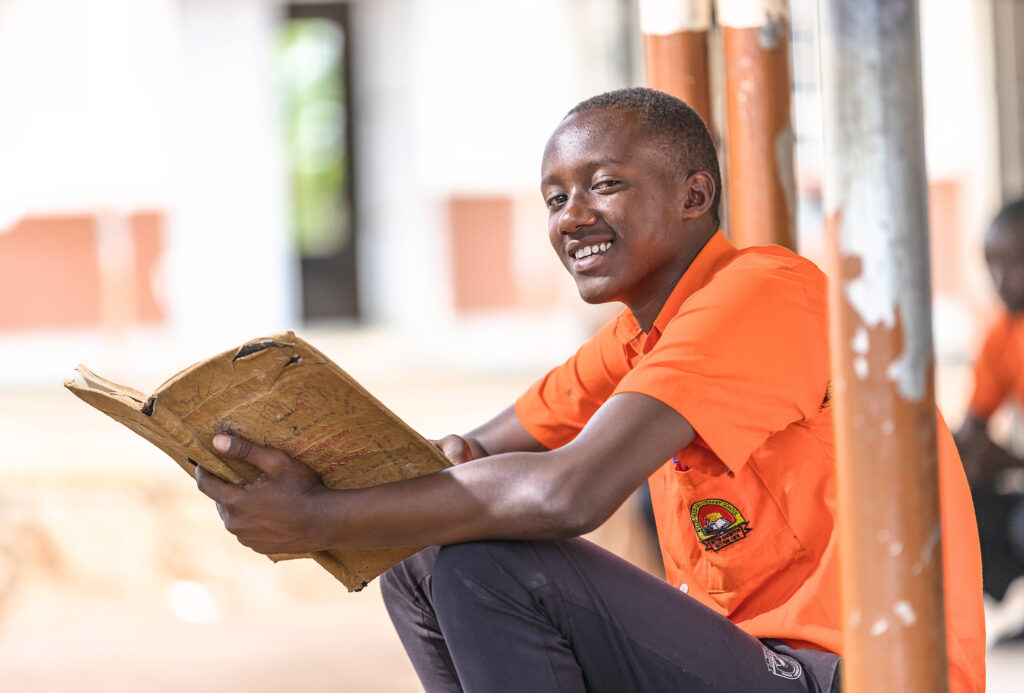
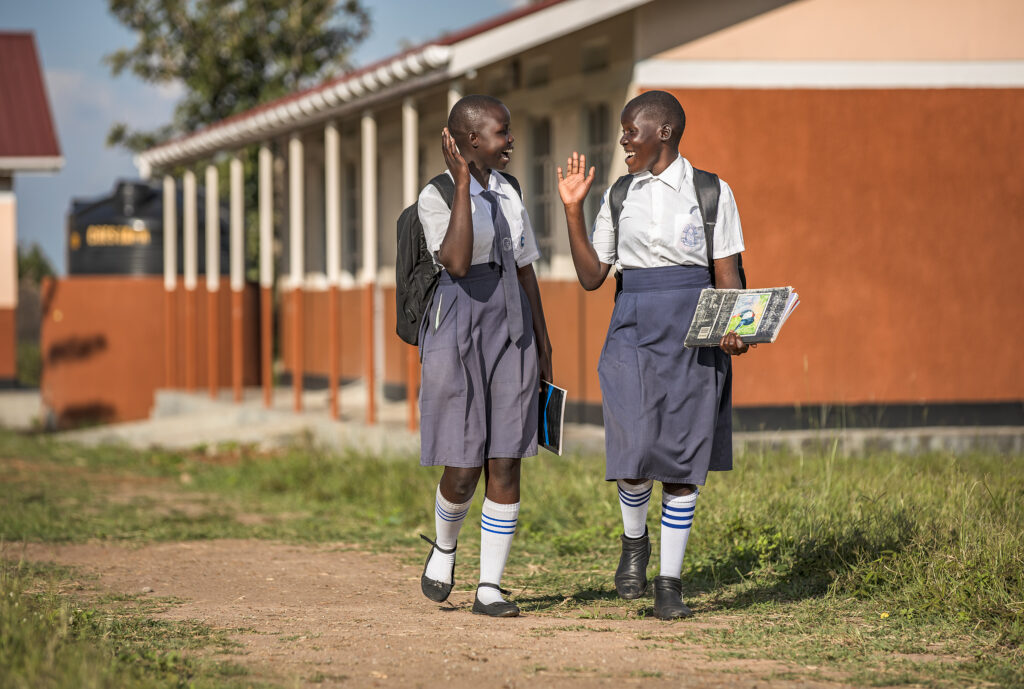
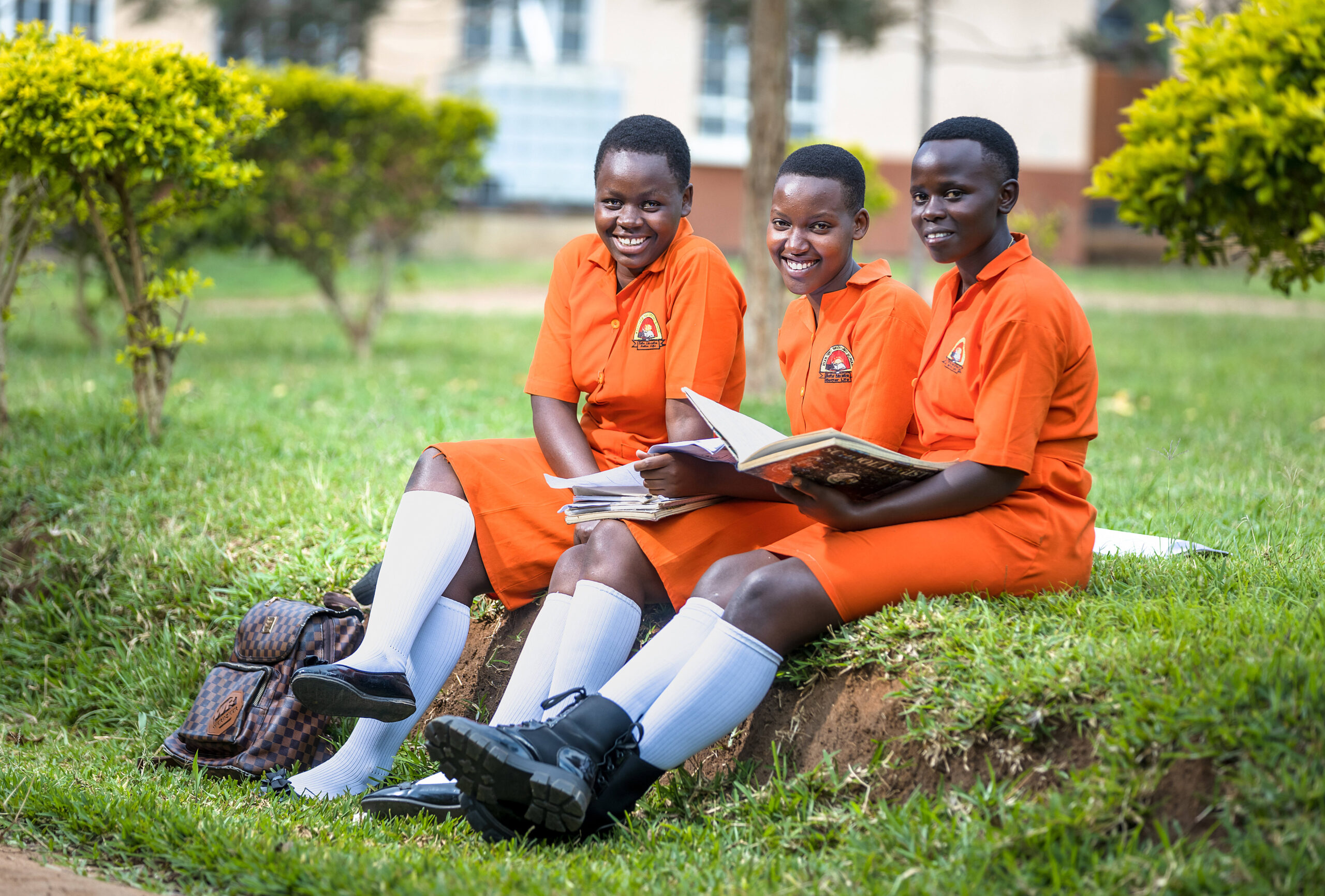
The evidence of this commitment is tangible across Uganda. In education, we are witnessing a quiet but significant improvement. The construction of 259 new Seed Secondary Schools means that for the first time, thousands of adolescents in underserved sub-counties have a chance at a quality secondary education without leaving their communities. With 15 million textbooks procured and over 15,000 teachers recruited and deployed where they are needed most, we are not just building classrooms. We are filling them with opportunities. Importantly, more than half of the students benefiting are girls, a direct investment in gender equity and a more prosperous future. It then becomes necessary to prepare the economy to absorb such young people in the near future.
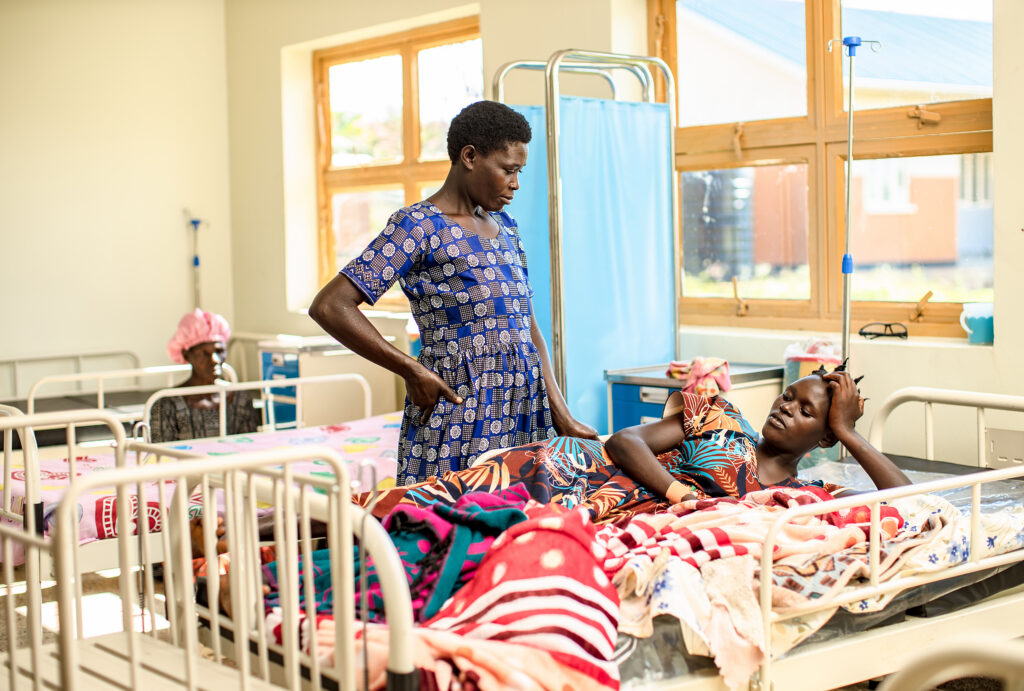
In the health sector, the impact is measured in lives saved and healthier communities. By upgrading 380 facilities to Health Centre III standard, we have brought quality primary healthcare within a 3km radius for 77% of the population. This proximity cannot be ignored. Over 20,000 safe deliveries have already been conducted in these new facilities. With enhanced labs, maternity wards, and regional blood banks, we are building a resilient healthcare system capable of serving generations to come.
Perhaps the most innovative aspect of UgIFT is its integrated, systems-based approach. Nowhere is this more evident than in our support for refugee-hosting communities and our work in agriculture. Instead of creating parallel, temporary systems for refugees, UgIFT champions a unified model. The initiative has supported community-led efforts to protect watersheds and reduce deforestation, with the intention of ensuring long-term environmental health. Health centres, schools, and water points are planned, funded, and managed by district governments to serve in a way that includes refugees and hosts. UgIFT has partnered with local governments to build a sustainable future. Through funding critical water infrastructure, UgIFT has provided safe water access to 750,000 people. Such inclusion fosters social cohesion and ensures sustainability long after humanitarian agencies depart. This integration is a model of compassionate, pragmatic governance for the country, region, continent and beyond.
Similarly, in agriculture, UgIFT is sowing the seeds of climate resilience. Through matching grants, we are empowering 8,000 smallholder farmers with micro-irrigation technology, liberating them from reliance on unpredictable rains. As one farmer noted, this support transforms their reality from ‘praying for rain to planning for harvests’. This is economic empowerment at the most fundamental level, boosting household incomes and securing our nation’s food supply against the constantly changing climate.
The success of UgIFT is a demonstration of what can be achieved when we trust and empower local governments. The programme, rooted in the Ministry of Finance, Planning and Economic Development, works through existing structures. It provides districts with the tools, funding, and technical support, such as the national Water Atlas for monitoring, and then holds them accountable for delivering results. Such a requirement promotes local ownership, the single greatest predictor of long-term sustainability, as Uganda attempts to achieve the UN’s Sustainable Development Goals.
As we look to the future, the mission continues. Our focus remains on completing every health centre, equipping every new school, and ensuring every shilling of funding delivers maximum impact for Ugandans and the refugees they host. Although the journey has been marked by challenges, including fiscal constraints amidst high demand, and ensuring co-financing models are accessible to all, the pathway to improving livelihood remains clear.
The UgIFT initiative is demonstrating that the most effective development is not about building something new from the outside, as many projects have done in the past, but about strengthening what already exists from within the communities. It is a story of unity, equity, and unwavering belief in the potential of every community across Uganda. Beyond aid, and beyond borders, UgIFT is a story we can all be proud of, and one we must continue to write together in Uganda, and share with the rest of the world.